

Beyond Compliance: The Ultimate Guide to Fire Protection Systems in Malaysia for Safer, Smarter Buildings

In Malaysia’s rapidly evolving architectural and industrial landscape, where high-rise commercial towers redefine skylines and manufacturing facilities operate with increasing technological sophistication, the implementation of an advanced fire protection system transcends mere statutory compliance. It embodies a strategic, life-preserving, asset-protecting, and continuity-ensuring infrastructure imperative.
Fire incidents, whether minor or catastrophic, possess the capacity to inflict irreversible structural damage, operational paralysis, reputational deterioration, and profound human loss. In such a high-stakes environment, the deployment of a fully integrated, meticulously engineered fire protection system in Malaysia is no longer optional, it is foundational.
A modern fire protection framework harmonizes detection, suppression, alarm communication, evacuation facilitation, and system redundancy into a cohesive safety ecosystem. When properly designed and maintained, it becomes a silent guardian, vigilant, responsive, and compliant with national regulatory mandates.
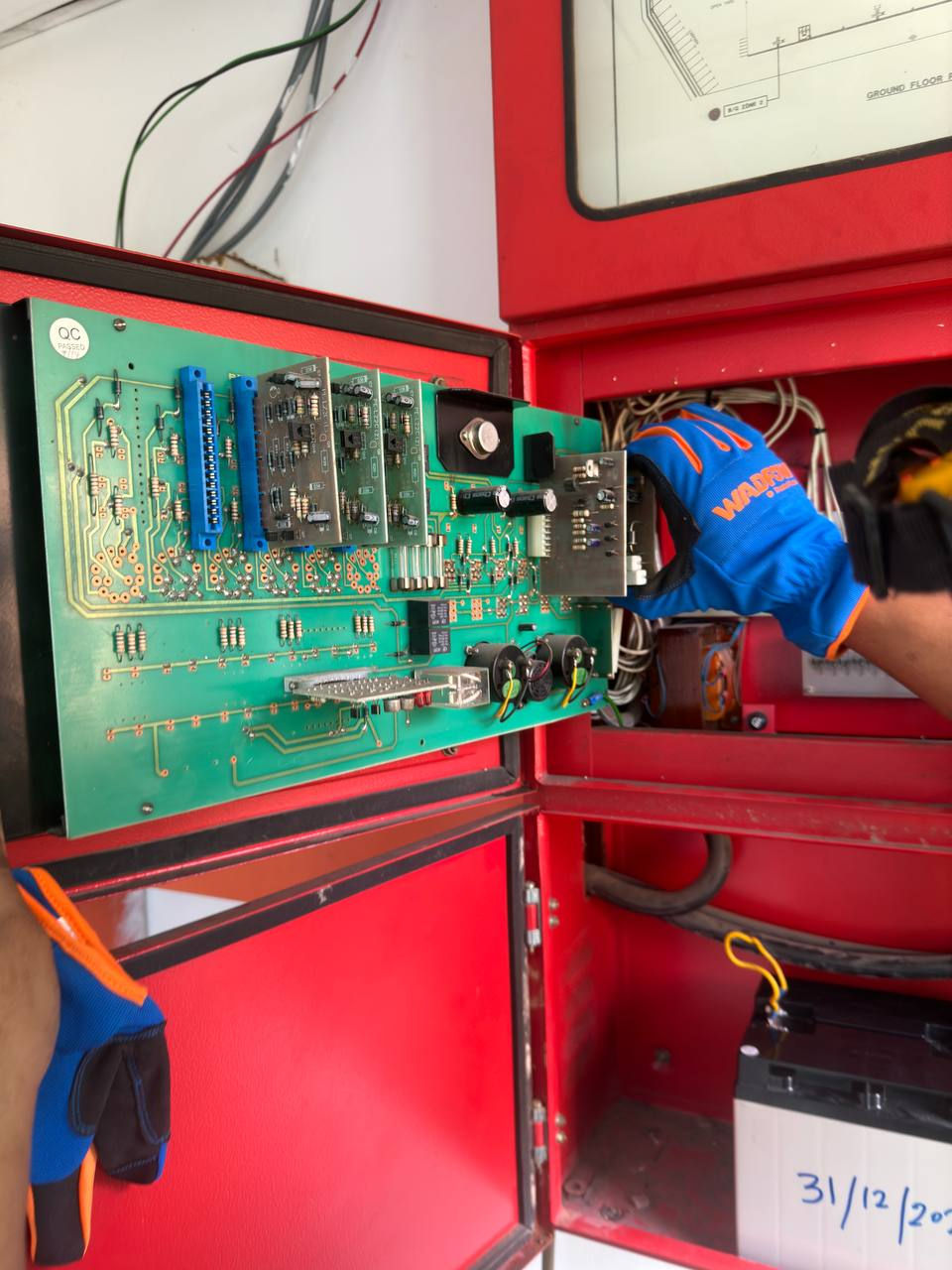
Understanding Fire Protection Systems: A Holistic Safety Architecture
A fire protection system is a coordinated integration of mechanical, electrical, and electronic components designed to:
Detect fire at its incipient stage
Alert occupants immediately
Suppress or control flame propagation
Facilitate safe evacuation
Support firefighting intervention
In Malaysia, systems must comply with the Uniform Building By-Laws (UBBL), BOMBA guidelines, and applicable Malaysian Standards (MS).
Fire protection strategies are categorised into two essential domains:
1) Active Fire Protection (AFP): Immediate Response Mechanisms
Active systems are engineered to react instantly when a fire is detected.
2) Fire Alarm and Detection Systems
These include smoke detectors, heat detectors, manual call points, alarm panels, and audible warning devices. Early detection significantly reduces property damage and injury risk.
3) Automatic Sprinkler Systems
Heat-activated sprinkler heads discharge water to suppress fire before escalation. Proper hydraulic calculation ensures adequate pressure distribution.
4) Fire Hydrant and Hose Reel Systems
Provide accessible water sources for both trained personnel and firefighting authorities.
5) Fire Pumps
Electric, diesel, and jockey pumps maintain consistent water pressure across suppression systems. These pumps require regular pressure testing and calibration.
6) Clean Agent and Foam Suppression Systems
Ideal for data centres, electrical rooms, and high-risk industrial environments where water may cause additional damage.
7) Passive Fire Protection (PFP): Structural Containment Systems
Passive systems limit fire spread and maintain structural integrity:
Fire-rated walls and partitions
Fire doors and dampers
Fire stopping and sealing systems
Intumescent coatings
These elements create compartmentalization, allowing evacuation and emergency response time.
Why Fire Protection Systems Are Critical in Malaysia
🔎 Regulatory Compliance
Commercial and industrial buildings must obtain fire approval certification from BOMBA before operation.
🏢 High-Density Urban Development
Cities such as Kuala Lumpur, Johor Bahru, and Penang host complex vertical developments requiring sophisticated fire engineering.
🏭 Industrial Risk Exposure
Factories and processing plants manage flammable materials, increasing ignition probability.
💼 Business Continuity Planning
A robust system mitigates financial losses caused by downtime and insurance disputes.
The Importance of Professional Design and Installation
Professional fire protection contractors in Malaysia provide:
Risk assessment and hazard analysis
Hydraulic flow calculations
System layout design
Installation and commissioning
Compliance documentation
Testing and inspection scheduling
Improper installation may lead to inadequate water pressure, delayed alarm activation, or system malfunction during emergencies.
Routine Maintenance: Ensuring System Reliability
Preventive maintenance includes:
Fire pump performance testing
Alarm panel functionality checks
Sprinkler head inspection
Valve integrity assessment
Battery backup testing
Pressure gauge calibration
Regular servicing ensures readiness and avoids regulatory penalties.
Emerging Trends in Fire Protection Technology
Malaysia’s construction sector is increasingly adopting:
Smart fire detection systems
Addressable alarm panels
Integrated building management systems (BMS)
IoT-based monitoring
Energy-efficient fire pumps
These technologies enhance real-time monitoring and predictive maintenance.
Choosing the Right Fire Protection Specialist in Malaysia
When selecting a service provider, consider:
Technical certification and licensing
Experience across commercial and industrial sectors
Compliance knowledge
After-sales maintenance capability
Availability of genuine components
A reputable contractor ensures system longevity and performance reliability.
Conclusion: Transforming Fire Protection from Obligation to Strategic Advantage
Fire protection systems in Malaysia must be perceived not as regulatory burdens but as strategic investments in life safety, operational sustainability, and corporate responsibility. As infrastructure complexity intensifies and urban density increases, the demand for integrated, intelligent, and meticulously maintained fire safety solutions will continue to expand.
Organizations that prioritize comprehensive fire protection demonstrate foresight, accountability, and resilience. By engaging experienced professionals, conducting systematic maintenance, and embracing technological advancements, businesses can transform fire safety from a compliance requirement into a competitive advantage.
In an environment where preparedness defines survival, a robust fire protection system is not merely infrastructure, it is assurance, protection, and strategic foresight embodied in engineering excellence.
We will provide the best services in conducting the fire system inspection for you. Contact us at 019 – 2000 440 or email ficoreengineering@gmail.com now. We will always be dedicated to help you.


Comments